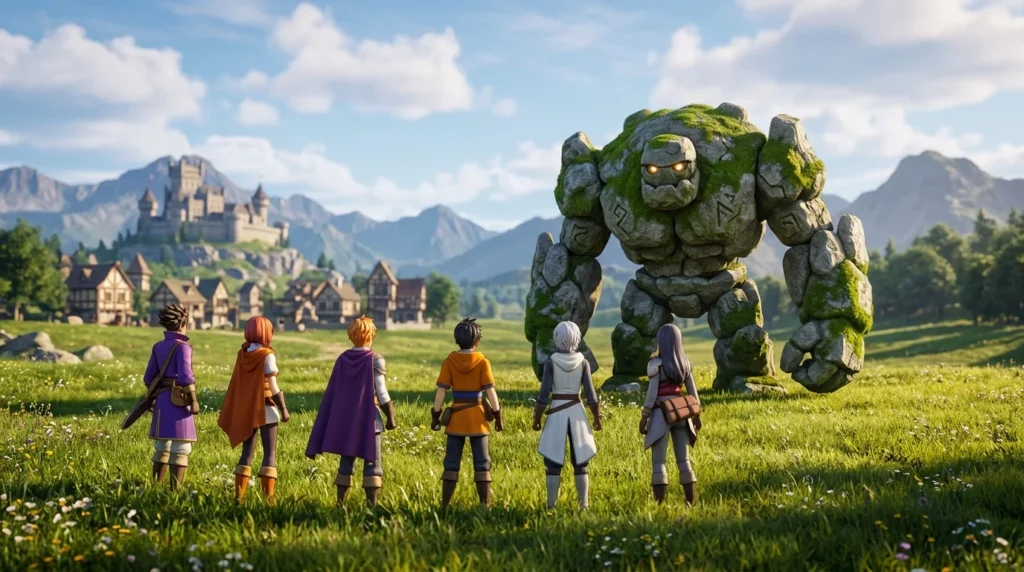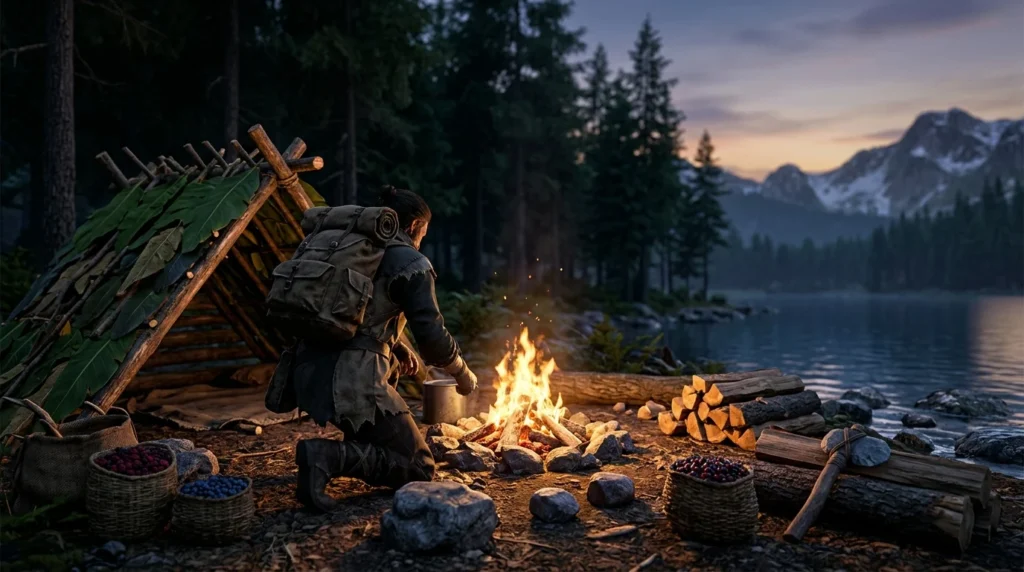
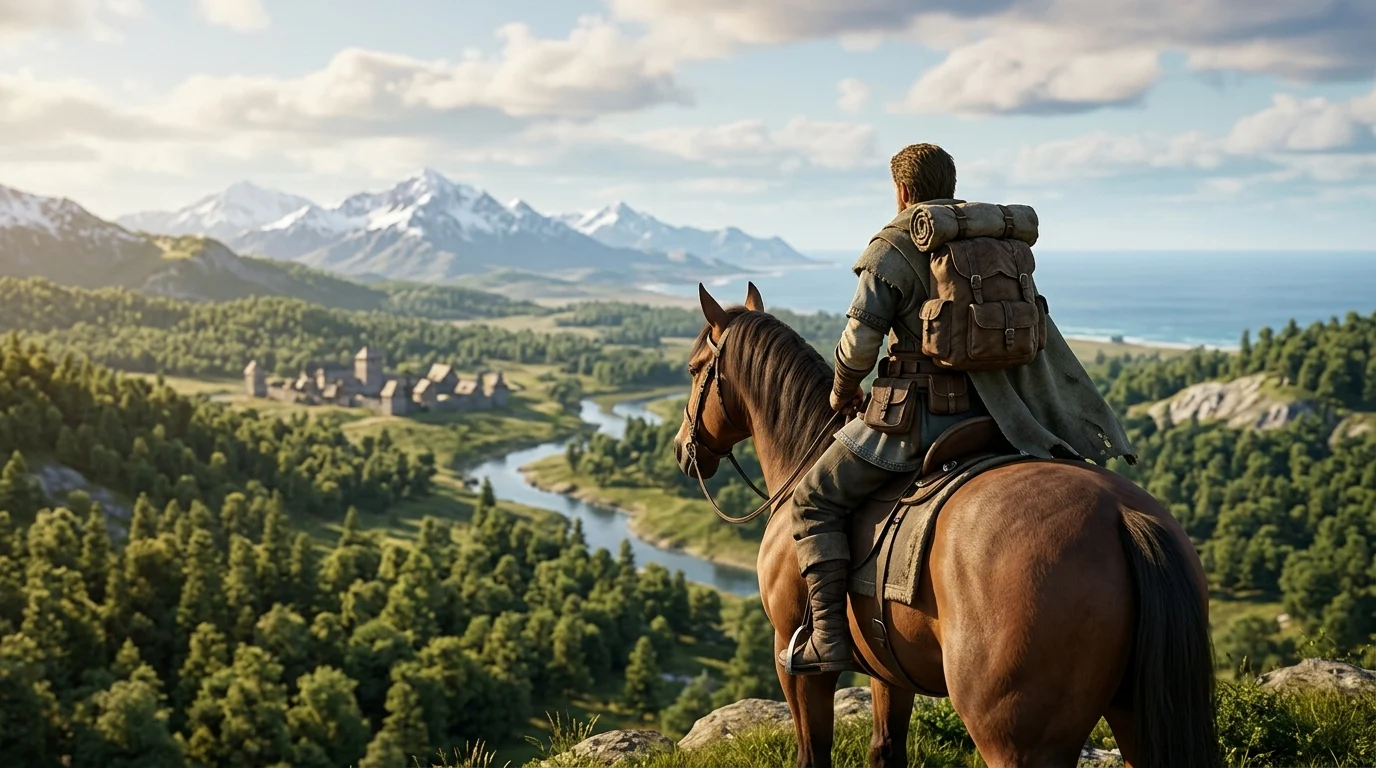
An open-world game lets you tackle its objectives freely, choosing how, in what order and at what pace, instead of moving through linear levels. That autonomy is its main appeal.
What defines an open world
- Few walls or locked doors: the limits are usually geographic, such as oceans or mountains
- Seamless movement, usually without loading screens
- A main story split into missions, plus optional side quests
- Sometimes, map areas that are only revealed after a task such as climbing a tower
Some games also use procedural generation to build huge worlds with fewer resources, as No Man’s Sky does with its planets.
Open world or sandbox?
They are often confused. Open world refers to freedom to explore; sandbox refers to giving players tools for creative freedom. A flight simulator can be open world without being a sandbox, while Minecraft is both.
Games that shaped the genre
- Elite (1984): a pioneer, with procedurally generated content in very little memory
- The Legend of Zelda (1986): an early exploration-based open world
- Mercenary (1985): cited as the first open-world 3D action-adventure
- Shenmue (1999): the origin of the open-city subgenre
- Grand Theft Auto III: it defined open worlds for a new generation, and the series continues with GTA 6
- The Legend of Zelda: Breath of the Wild (2017): praised as a paradigm shift thanks to its physics and chemistry systems
Frequently asked questions
What is the difference between open world and sandbox?
Open world is about freedom to explore the map; sandbox is about having tools to create or change things freely. A game can be one, the other or both.
Do open-world games have a story?
Usually yes. The main story is often split into missions, with optional side quests around it.
What was the first open-world game?
There is no single answer, but Elite (1984), Ultima (1981) and The Legend of Zelda (1986) are often cited as pioneers.
This article was written with AI assistance from the sources linked above.